


Knowledge Base

Pharmaceutical blister packaging production line cleanroom

Pharmaceutical Blister Packaging: Complete Technical Guide
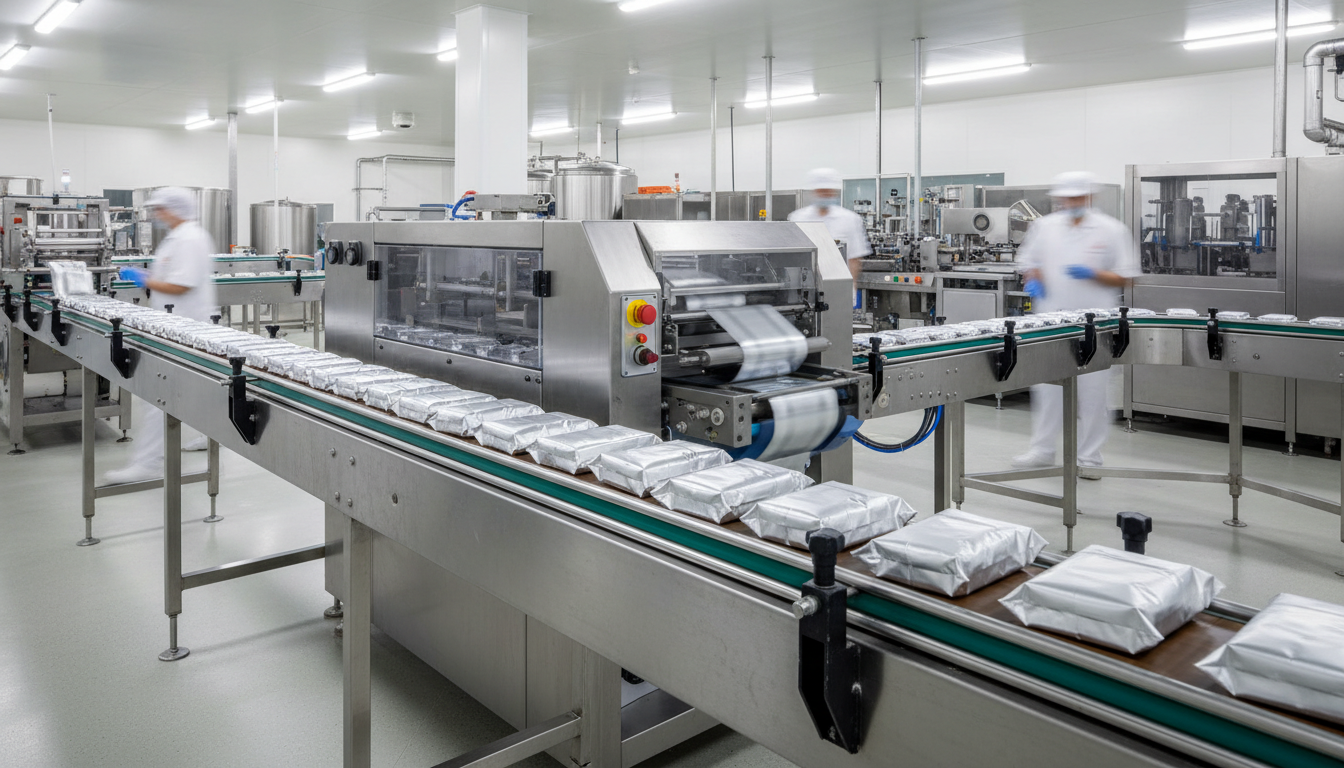
Key Takeaways Pharmaceutical blister packaging is the dominant primary packaging format for solid oral dosage forms, protecting drugs from moisture, oxygen, and light while enabling unit-dose dispensing. Two primary formation types exist: thermoformed (PVC-based) and cold-formed aluminium (Alu-Alu) — selected...

Read moreabout Pharmaceutical Blister Packaging: Complete Technical Guide

Industrial flow wrap packaging machine production line

Flow Wrap Packaging (Flowpack): Complete Industry Guide
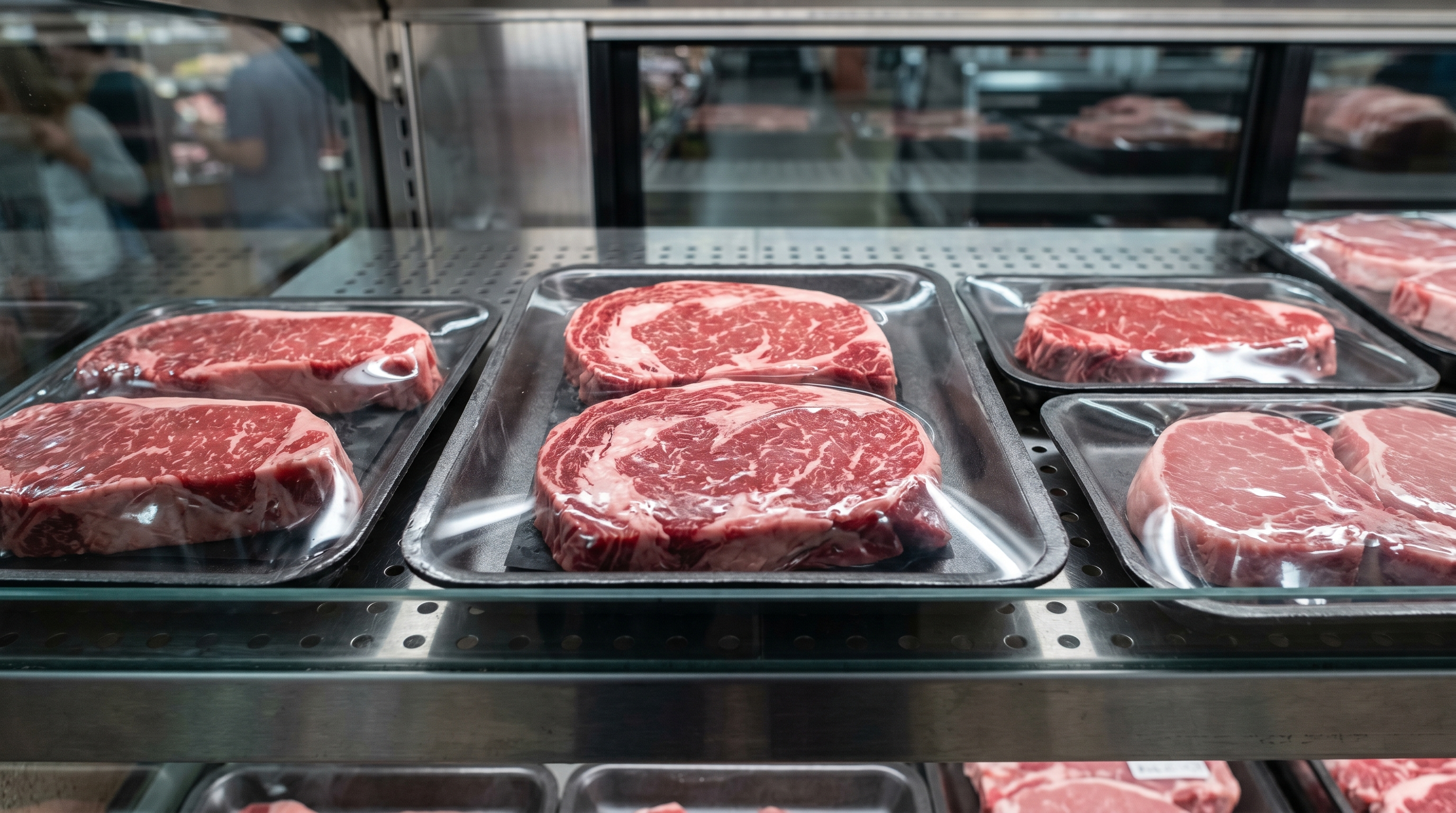
Key Takeaways Flow wrap packaging (flowpack) uses a continuous horizontal sealing process to wrap products in flexible film at high speed. Two main machine orientations exist: horizontal flow wrappers (HFFS) and pillow-pack variants for soft or irregular items. Common materials...

Read moreabout Flow Wrap Packaging (Flowpack): Complete Industry Guide

Vacuum skin packaging fresh meat retail display

Skin Packaging for Meat and Fresh Food: The Complete Guide

Key Takeaways Skin packaging applies a heated high-barrier film directly over fresh meat, fish, or poultry, creating a vacuum-tight skin that eliminates residual oxygen and extends shelf life to 14–28 days for red meat. Vacuum skin packaging (VSP) and non-vacuum...

Read moreabout Skin Packaging for Meat and Fresh Food: The Complete Guide

Sterile blister packaging for medical devices in a clean pharmaceutical environment

Blister Packaging for Medical Devices: Types, Materials, and ISO 11607 Requirements

Key Takeaways Blister packaging for medical devices falls into two main categories: thermoformed rigid blisters and cold-form foil blisters, each suited to different device types and sterilization methods. ISO 11607-1 governs material requirements for sterile blister systems; ISO 11607-2 covers...

Read moreabout Blister Packaging for Medical Devices: Types, Materials, and ISO 11607 Requirements
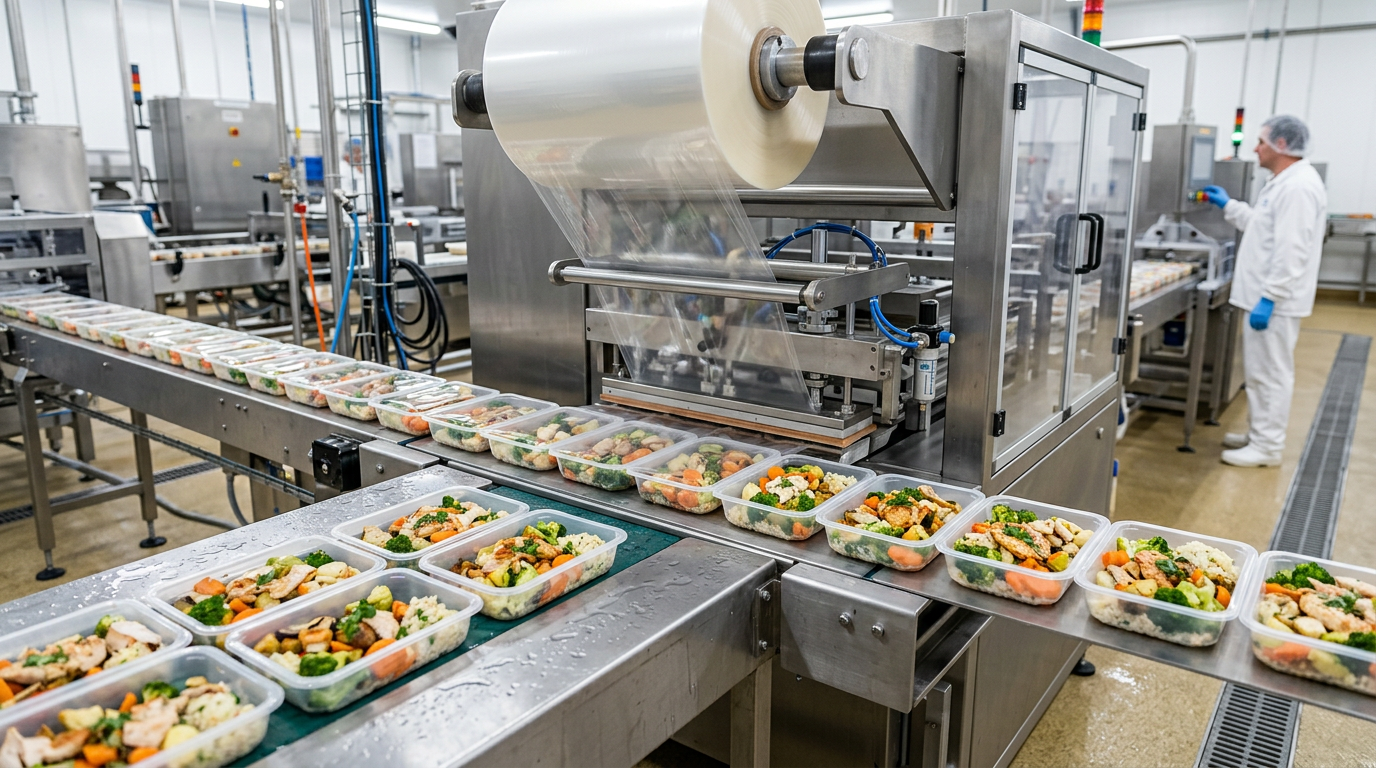
Tray sealing packaging line in food manufacturing

Tray Sealing Packaging: Complete Guide for Food Manufacturers
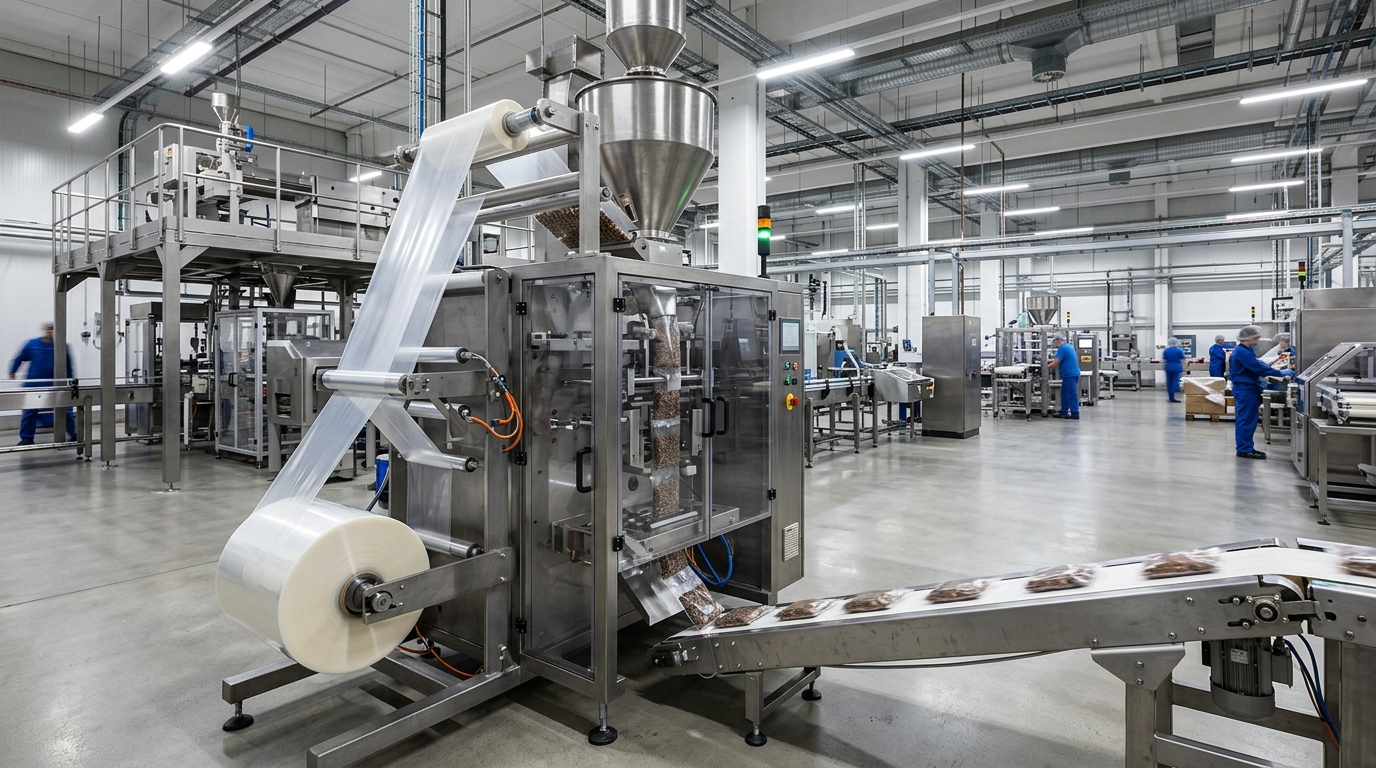
Key Takeaways Tray sealing applies a film lid to a pre-formed tray using heat and pressure — delivering airtight seals for MAP, standard atmosphere and VSP formats. Peelable and non-peelable seal types serve different end-use requirements: peelable for consumer convenience,...

Read moreabout Tray Sealing Packaging: Complete Guide for Food Manufacturers

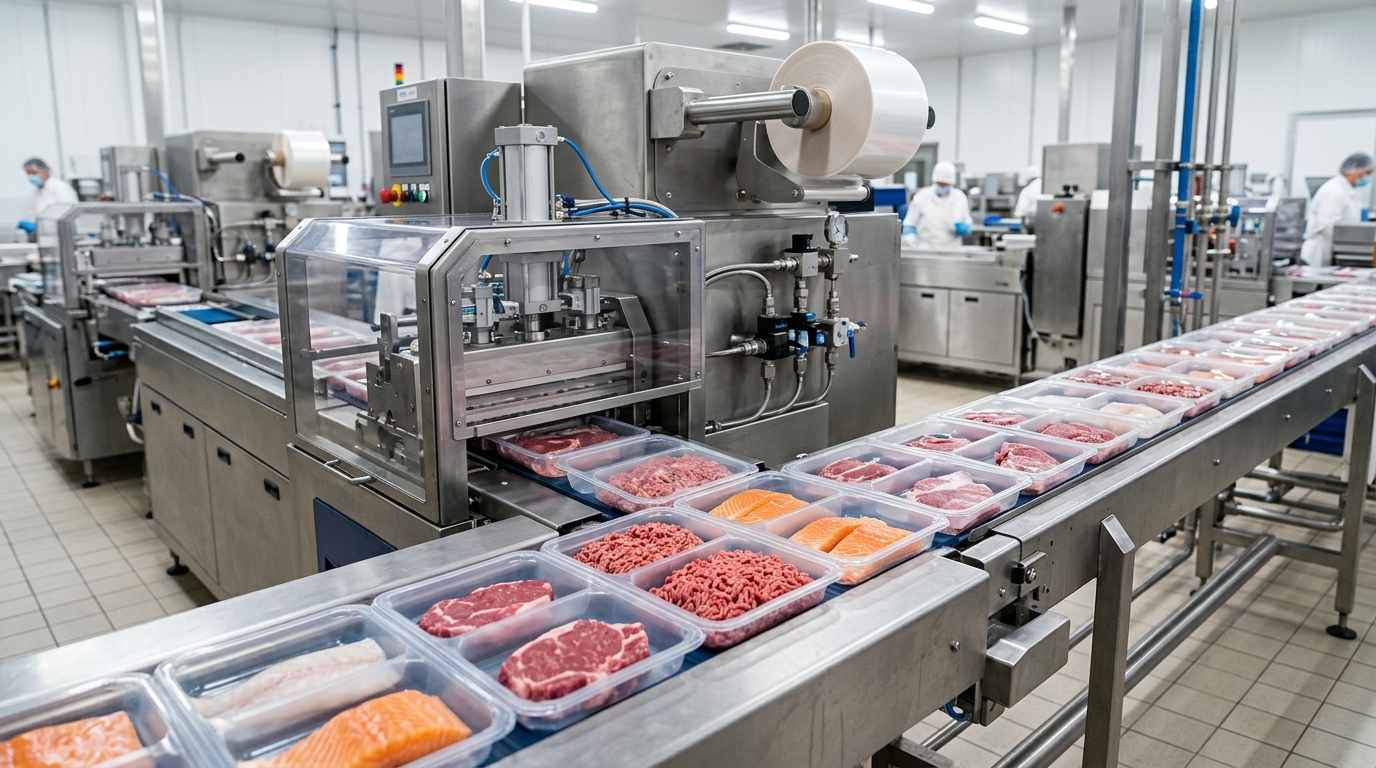
Form fill seal FFS packaging machine in food production facility

Form Fill Seal (FFS) Packaging: VFFS vs HFFS Complete Guide
Key Takeaways Form fill seal (FFS) machines form a package from film, fill it with product and seal it in a single automated sequence on one piece of equipment. Vertical FFS (VFFS) machines suit free-flowing products like granules, powders and...

Read moreabout Form Fill Seal (FFS) Packaging: VFFS vs HFFS Complete Guide

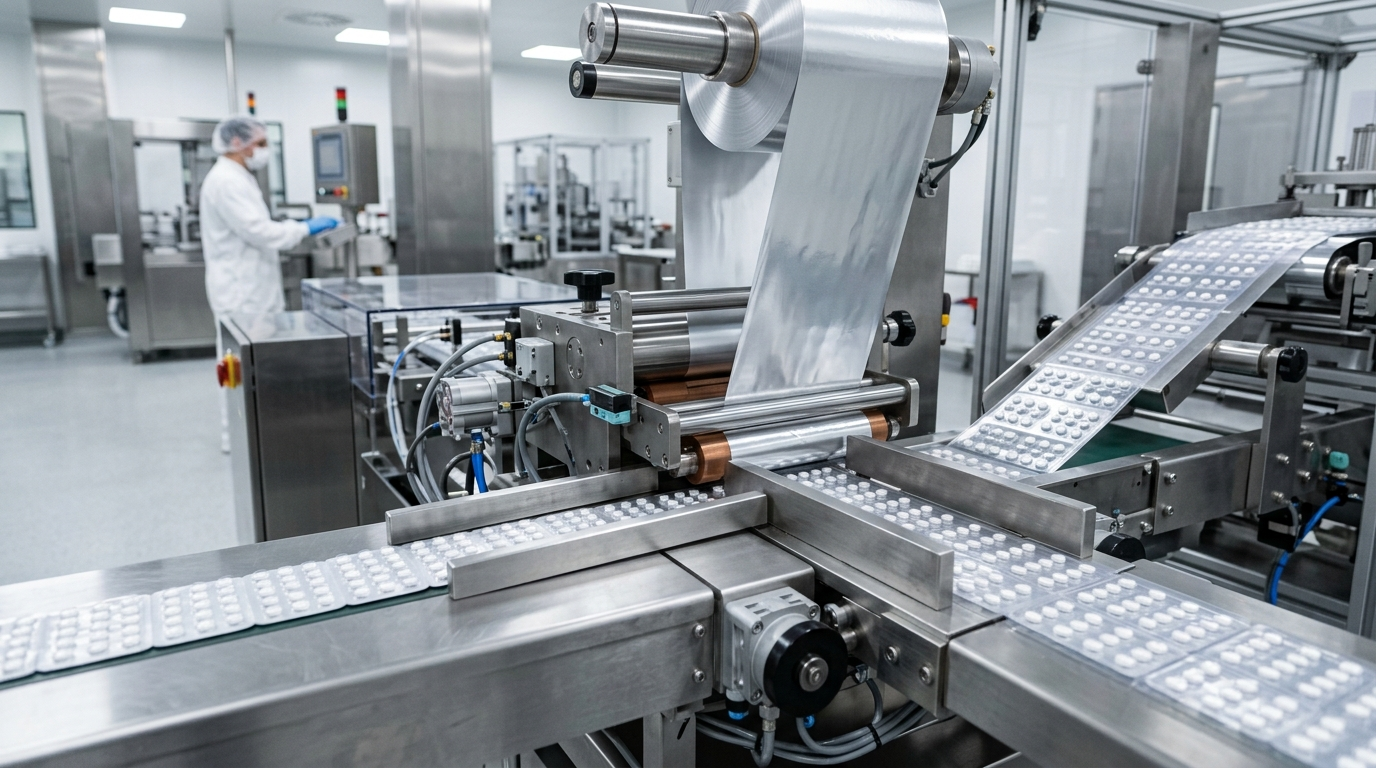
Blister packaging production line in pharmaceutical manufacturing

Blister Packaging: The Complete Industry Guide
Key Takeaways Blister packaging uses a pre-formed plastic cavity sealed with a lidding material — thermoformed and cold-formed variants serve different barrier needs. PVC, PET, PVDC and aluminium foil are the dominant forming materials; choice depends on moisture and oxygen...

Read moreabout Blister Packaging: The Complete Industry Guide

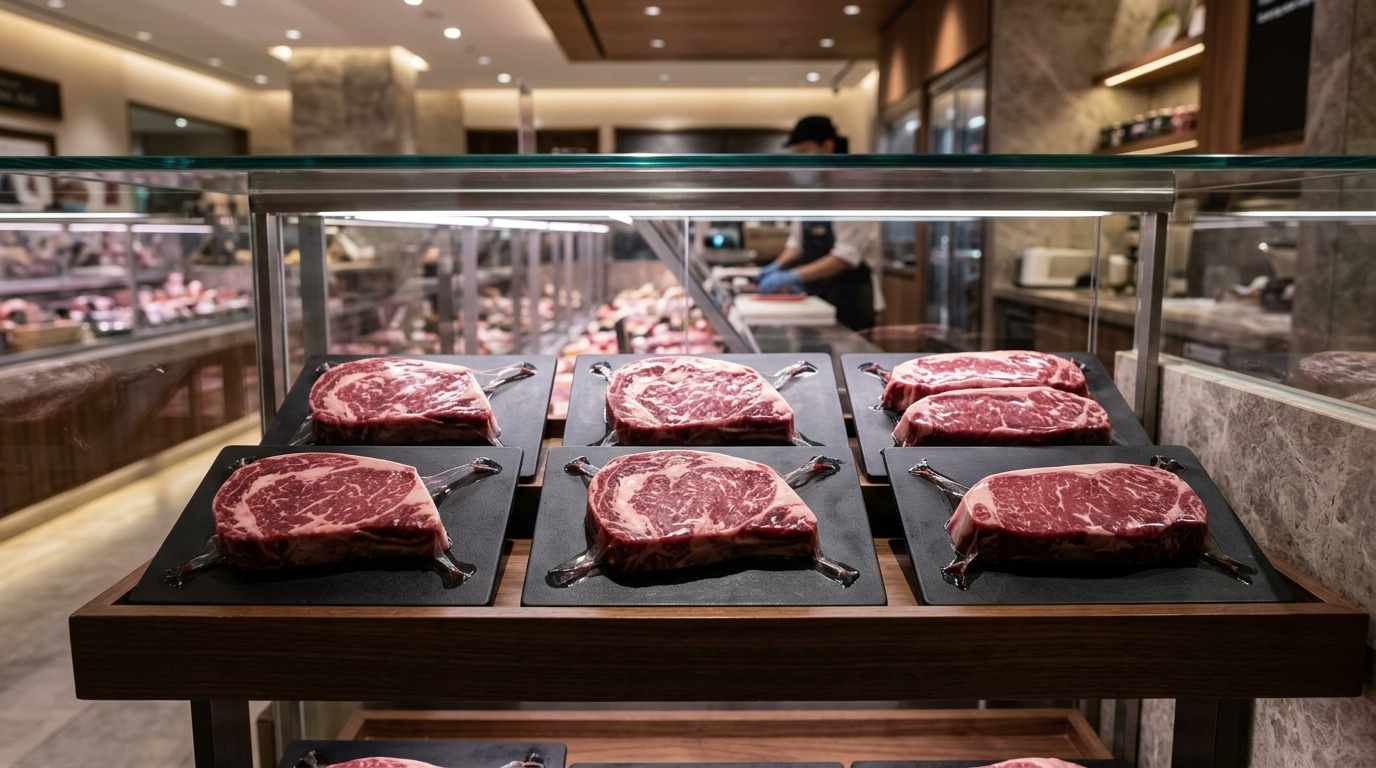
Vacuum skin packaging VSP premium fresh beef steaks in retail display case

Vacuum Skin Packaging (VSP): Complete Guide to Premium Food Packaging
Key Takeaways Vacuum Skin Packaging (VSP) forms a tight transparent film directly over a product, eliminating headspace and creating a visually compelling, shelf-life-extended retail pack. VSP extends fresh meat shelf life to 10–21 days under refrigeration — significantly longer than...

Read moreabout Vacuum Skin Packaging (VSP): Complete Guide to Premium Food Packaging

Modified atmosphere packaging MAP tray sealer machine on industrial food line

Modified Atmosphere Packaging (MAP): Complete Guide for Food Manufacturers

Key Takeaways Modified Atmosphere Packaging (MAP) replaces the air inside a sealed pack with a precisely calibrated gas mixture — typically CO₂, N₂, and/or O₂ — to slow spoilage and extend product shelf life. Gas composition is product-specific: fresh red...

Read moreabout Modified Atmosphere Packaging (MAP): Complete Guide for Food Manufacturers